The Automation Revolution in Modern Automotive Plants
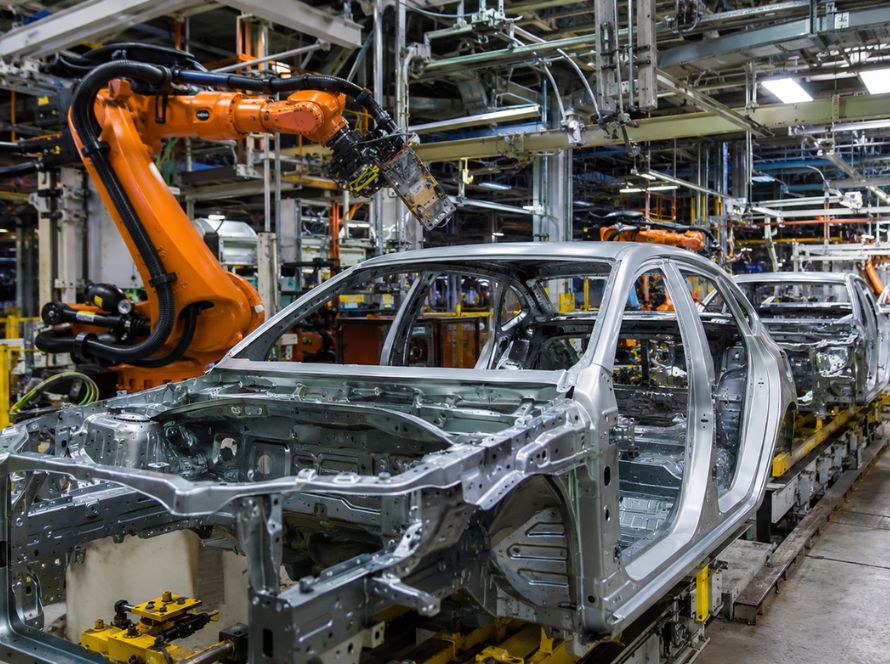
Automotive plants are undergoing a profound transformation. Driven by automation, artificial intelligence, robotics, and advanced quality-control technologies, modern manufacturing facilities are becoming smarter, more efficient, and more flexible than ever before.
Today’s automotive plants are no longer focused solely on increasing production volume. They must also improve quality, reduce operational costs, adapt to multiple vehicle variants, and meet increasingly demanding customer expectations. To achieve these goals, manufacturers around the world are investing heavily in automation and digital manufacturing technologies.
The world’s most advanced automotive plants are already demonstrating how automation can improve productivity, streamline operations, and maintain consistent quality across every stage of production.
What makes an automotive plant highly automated?
A highly automated automotive plant combines robotics, machine vision, artificial intelligence, automated logistics, and data-driven decision-making to optimize manufacturing processes.
These technologies help manufacturers:
- Increase production efficiency
- Reduce human error
- Improve product quality
- Optimize resource utilization
- Reduce operational costs
- Enhance workplace safety
As Industry 4.0 technologies continue to evolve, automotive plants are becoming increasingly connected, enabling real-time monitoring and continuous process optimization.
Examples of advanced automotive plants leading the industry
1. Tesla Plant
Tesla’s plant in Fremont, California, is a prime example of how automation can revolutionize production, reaching a capacity of approximately 1,000 vehicles per day. Through extensive use of robotics and automated manufacturing systems, Tesla has established itself as one of the industry’s most recognized examples of smart automotive production.
2. BMW Plant
BMW’s Dingolfing plant in Germany has achieved a similar daily output while maintaining the precision and quality standards associated with the brand. The facility combines automation and advanced manufacturing technologies to ensure both efficiency and consistency throughout production.
3. Toyota Plant
Toyota’s Tsutsumi plant in Japan has reduced labor costs by 33% while producing around 1,000 vehicles per day. This demonstrates how automotive plants can leverage automation not only to increase productivity but also to optimize operational efficiency.
4. Volkswagen Plant
Volkswagen’s Wolfsburg facility in Germany is one of the largest automotive plants in the world, producing approximately 3,800 vehicles per day. Its use of advanced manufacturing technologies illustrates how automation supports large-scale production while maintaining quality standards.
5. General Motors Plant
In Arlington, Texas, General Motors has increased efficiency by 20% while maintaining a production rate of approximately 1,000 vehicles daily. This highlights the role of automation in improving throughput and operational performance across automotive manufacturing facilities.
6. Bosch, Continental and Denso
Automation is equally important for automotive suppliers. Bosch’s plant in Stuttgart has improved efficiency by 30%, while Continental’s facility in Regensburg has reduced labor costs by 25% through the automation of 40% of its processes. Meanwhile, Denso’s plant in Tijuana produces more than one million units annually using highly automated production systems.
Technologies Transforming Automotive Plants
The success of these facilities is not based solely on robotics. Modern automotive plants increasingly rely on a combination of technologies that work together to improve production performance:
- Artificial intelligence for predictive analysis and process optimization
- Machine vision systems for automated inspection and quality control
- Industrial robotics for assembly and material handling
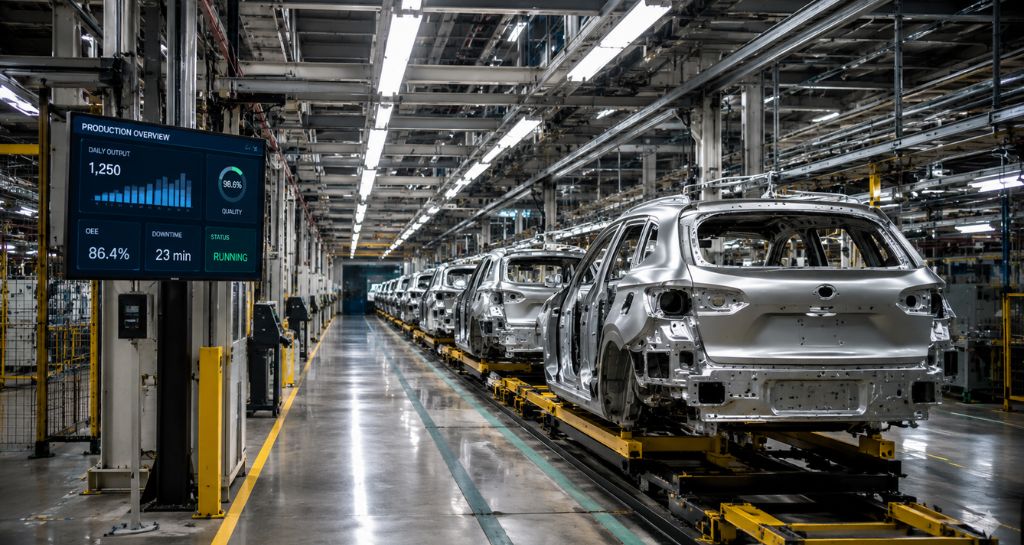
- Real-time production monitoring
- Automated logistics systems
- Digital manufacturing and Industry 4.0 technologies
Together, these solutions help manufacturers improve flexibility, reduce defects, and increase overall production efficiency.
Improving Quality Control in Automotive Plants with EINES
At EINES Vision Systems, we help automotive manufacturers accelerate this transformation through advanced automated quality control solutions. With more than 30 years of experience in machine vision, artificial intelligence, and automated inspection technologies, we support OEMs and suppliers in improving inspection accuracy, reducing defects, and increasing inspection capacity across their production lines.
Our solutions help modern automotive plants achieve higher levels of efficiency, quality, and traceability while supporting the industry’s transition toward smarter and more connected manufacturing environments.
If you would like to learn how advanced inspection technologies can improve quality control and production performance in your automotive plant, contact us for a personalized consultation.

Frequently Asked Questions about Automotive Plants
What are automotive plants?
Automotive plants are manufacturing facilities where vehicles and automotive components are produced, assembled, inspected, and tested before reaching the market.
Why are automotive plants becoming more automated?
Automation helps manufacturers improve efficiency, reduce production costs, enhance quality control, and increase flexibility while managing growing production complexity.
What technologies are used in modern automotive plants?
Modern automotive plants use robotics, artificial intelligence, machine vision, automated inspection systems, industrial IoT, and data analytics to optimize manufacturing processes.
How do automotive plants improve quality control?
Automotive plants use automated inspection systems, machine vision technologies, and real-time production monitoring to detect defects early and ensure consistent product quality.
What is the future of automotive plants?
The future of automotive plants lies in smart manufacturing, where AI, automation, machine vision, and connected systems work together to create more efficient, flexible, and data-driven production environments.