The automotive industry is known for its high standards of quality, safety, and sustainability. Every component must meet strict manufacturing specifications. This includes engines, chassis, painted surfaces, and interior assemblies. These standards ensure vehicle performance, reliability, and customer satisfaction.
In this context, artificial vision, also known as Computer Vision, has become a key technology in automotive quality control. For more than 30 years, artificial vision systems have helped manufacturers automate inspections. They also detect defects with high precision and improve production efficiency. Today, Artificial Intelligence (AI) is extending these capabilities even further. AI enables smarter decision-making, predictive maintenance, and continuous process optimization across production lines.
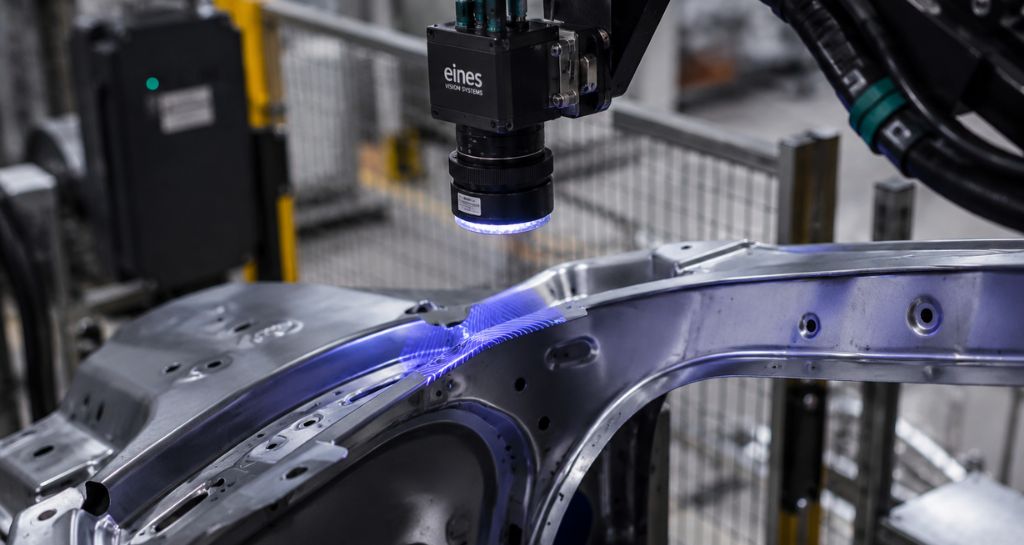
Artificial vision systems combine high-resolution cameras, advanced lighting, image-processing technologies, and AI algorithms. They capture and analyse production data in real time. This information helps manufacturers identify quality issues earlier. It also optimises manufacturing processes and maintains consistent quality standards throughout automotive production.
What Is Artificial Vision?
Artificial vision is a technology that enables machines to capture, analyze, and interpret visual information automatically. In automotive manufacturing, artificial vision systems inspect components, detect defects, verify assemblies, and improve quality control. They deliver greater speed and accuracy than traditional manual inspections.
Data & AI: a Revolution 5.0 in Preventive and Predictive Maintenance
Artificial vision uses computerised systems to interpret and analyse visual images. These systems generate large amounts of data. The data must be monitored and analysed in real time. This enables faster decision-making and immediate action. Deep Learning‘s advanced algorithms give these systems the intelligence to anticipate potential events.
As a result, this technology has become essential for quality control in the automotive industry. Instead of relying only on human inspections, machine vision solutions provide more accurate assessments. They also improve efficiency when inspecting automotive components.
Benefits of machine vision-based quality control:
1- Unmatched Accuracy:
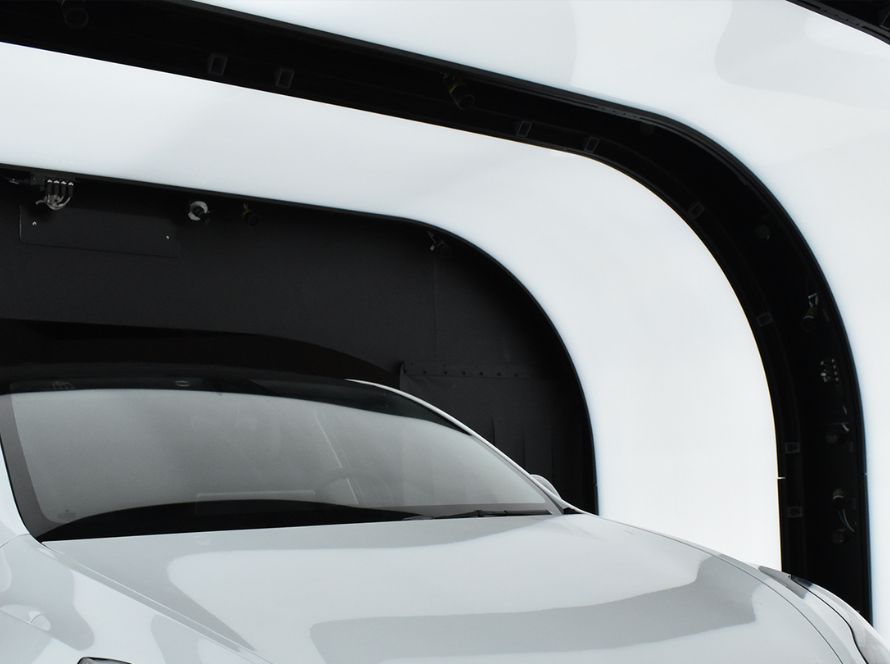
Machine vision can identify even the smallest paint surface imperfections or defects. It also performs highly precise Flush & Gap measurements. This ensures consistently high quality standards. It helps prevent production failures and improves vehicle safety.
2- Speed and Efficiency:
Machine vision systems can perform high-resolution inspections at outstanding speed, far exceeding human capability. This efficiency speeds up production processes, reducing manufacturing times and increasing productivity.
3- Preventive Maintenance:
Early identification of defects through machine vision allows the implementation of preventive strategies to avoid errors, lost time or rework. By addressing potential problems before they become serious failures, the risk of costly production stoppages is minimised and the useful life of equipment is prolonged.
4- Predictive Maintenance:
Collecting and analysing data through AI over time allows manufacturers to foresee wear patterns and anticipate when a specific component may need attention or replacement. This makes it easier to plan maintenance interventions proactively, avoiding costly unscheduled downtime.
5- Cost Reduction:
Although the initial implementation of machine vision systems may require a significant investment, in the long term, these solutions contribute to a decrease in production and maintenance costs. Defect prevention and process optimisation translate into significant savings.
The Future of Artificial Vision in Automotive Manufacturing
Despite its benefits, the implementation of machine vision systems presents major challenges, such as the need for highly trained personnel to implement and maintain the solutions, as well as adaptability to ever-changing manufacturing environments. However, continuous investments in research and development, improving not only image quality, but also processing power and AI-based learning software, endow the systems with a certain intelligence, helping to overcome these obstacles and taking machine vision to new levels in the automotive industry.
In short, we are living the fifth industrial revolution in the automotive sector, thanks to multiple data and AI, achieved in real time in plant production through optimised machine vision systems, transforming the way quality control is approached in the automotive industry. From identifying defects to implementing predictive maintenance strategies, these solutions not only improve product quality, but also drive operational efficiency and long-term profitability, as well as sustainability and commitment to our social environment. As technology continues to advance, machine vision promises to remain a key pillar in the evolution of vehicle manufacturing, ensuring ever-higher quality standards.
Improve Quality Control with Artificial Vision
At EINES Vision Systems, we develop advanced artificial vision solutions that combine machine vision, AI, and deep learning to automate inspection, improve quality control, and optimize manufacturing efficiency throughout automotive production.
Contact our team to discover how our artificial vision technologies can help improve quality, reduce defects, and optimize your manufacturing processes through a personalized consultation and live demonstration.
FAQs about artificial vision in quality control
How is artificial vision used in automotive manufacturing?
Artificial vision is used for automated inspection, paint inspection, Gap & Flush measurement, assembly verification, surface defect detection, and predictive quality control.
What is the difference between artificial vision and machine vision?
Machine vision refers to the hardware and imaging systems used to capture visual information, while artificial vision combines those systems with artificial intelligence and image-processing algorithms to interpret data and make decisions automatically.
What are the benefits of artificial vision?
Artificial vision improves inspection accuracy, reduces human error, increases production efficiency, enables real-time quality control, and supports predictive maintenance strategies.
How does artificial vision improve quality control?
Artificial vision systems inspect components automatically, identify defects with high precision, generate traceable production data, and help manufacturers maintain consistent quality standards.
Why is artificial vision important for Industry 4.0?
Artificial vision enables smart manufacturing by combining automated inspection, AI, and real-time data analysis to improve efficiency, traceability, and production quality.