In an automotive plant, not all defects are created equal. A small scratch on an interior panel might go unnoticed by most drivers. But a defect in a wheel? That’s a different story. It directly affects safety, performance, and ultimately, brand trust.
That’s why wheel inspection has become such a critical part of modern automotive manufacturing. And it’s evolving fast. What used to rely heavily on manual checks is now driven by Machine Vision, Artificial Intelligence, and fully connected Industry 4.0 systems.
Today, inspecting a wheel isn’t just about spotting visible damage. It’s about analyzing data, detecting patterns, and preventing defects before they even happen.
What is wheel inspection in automotive manufacturing?
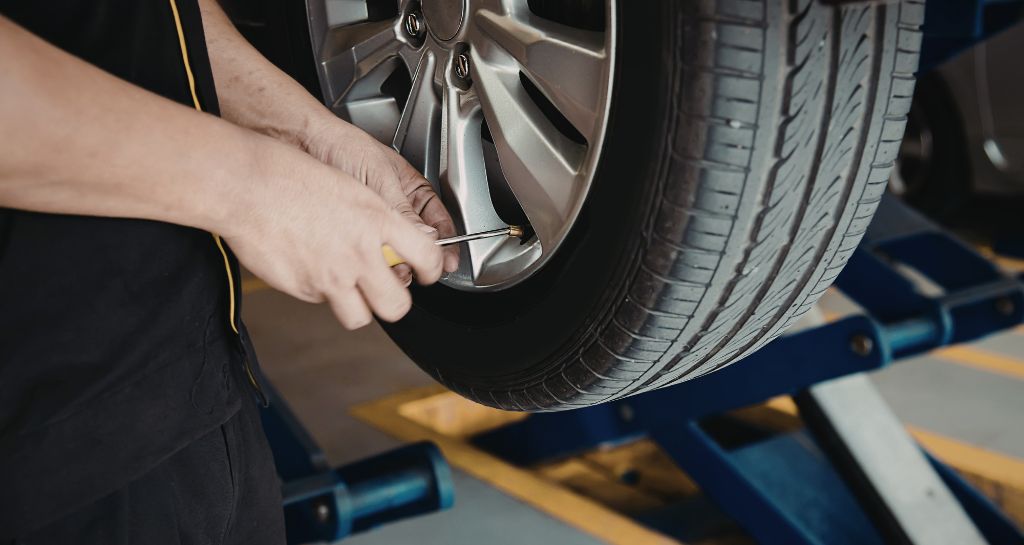
At its core, wheel inspection is the process of checking rims and tires to ensure they meet strict quality and safety standards. Simple idea. Complex execution.
In a modern production line, this typically involves:
- Visual inspection of rims and tires
- Dimensional checks to verify tolerances
- Detection of surface defects or structural issues
- Verification of markings like DOT codes or serial numbers
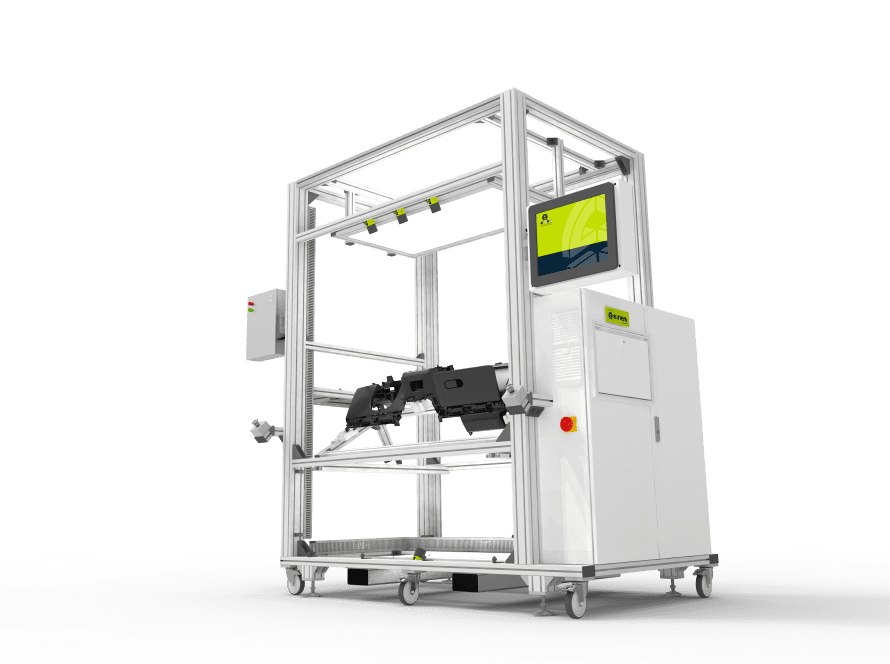
And here’s the key difference compared to the past: this is no longer done manually. Most high-volume plants rely on automated systems that inspect wheels inline, without slowing down production.
Why is wheel inspection so important?
If you’ve ever seen a vehicle recall related to wheels or tires, you already know the answer.
A defective wheel can lead to:
- Structural failure under load
- Improper tire mounting
- Reduced stability at high speeds
- Safety risks that escalate quickly
Even something as small as a micro-crack can become a serious issue over time. That’s why manufacturers aim to catch defects as early as possible—ideally before the wheel even leaves the production line.
Key components of a modern wheel inspection system
Behind every reliable inspection process, there’s a combination of technologies working together.
What Does a wheel inspection system include?
Most advanced systems are built around:
- High-resolution cameras
These capture detailed images of the wheel surface from multiple angles. - Laser or 3D scanning systems
Used to measure geometry and detect subtle deformations. - AI-based defect detection software
This is where things get interesting—algorithms classify defects automatically. - Data processing platforms
They turn inspection results into actionable insights in real time.
Together, these elements create a robust automated inspection system capable of handling high production speeds without sacrificing accuracy.
How machine vision is changing wheel inspection
Not long ago, inspection depended on trained operators visually checking each component. Skilled work, but not always consistent.
With Machine Vision, that variability disappears.
These systems can:
- Detect defects instantly
- Analyze surface quality with high precision
- Recognize patterns across thousands of units
- Operate continuously without fatigue
And they don’t just see, they learn.
The Role of Artificial Intelligence in Defect Detection
This is where Artificial Intelligence makes a real difference.
Instead of simply identifying defects, AI systems can:
- Learn from past inspection data
- Improve accuracy over time
- Reduce false positives
- Identify trends before they become problems
For example, if a specific defect starts appearing more frequently in a certain production shift or machine, the system can flag it early. That allows teams to act before defects scale.
That’s the shift from quality control to predictive quality.
What defects are detected in wheel inspection?
Modern systems can detect:
- Cracks and fractures in the rim
- Surface porosity or material inconsistencies
- Geometric deformations
- Paint or coating defects
- Missing or incorrect markings
Some of these defects are visible to the human eye. Others are not. That’s where automated inspection becomes essential.
Rim Inspection vs Tire Inspection
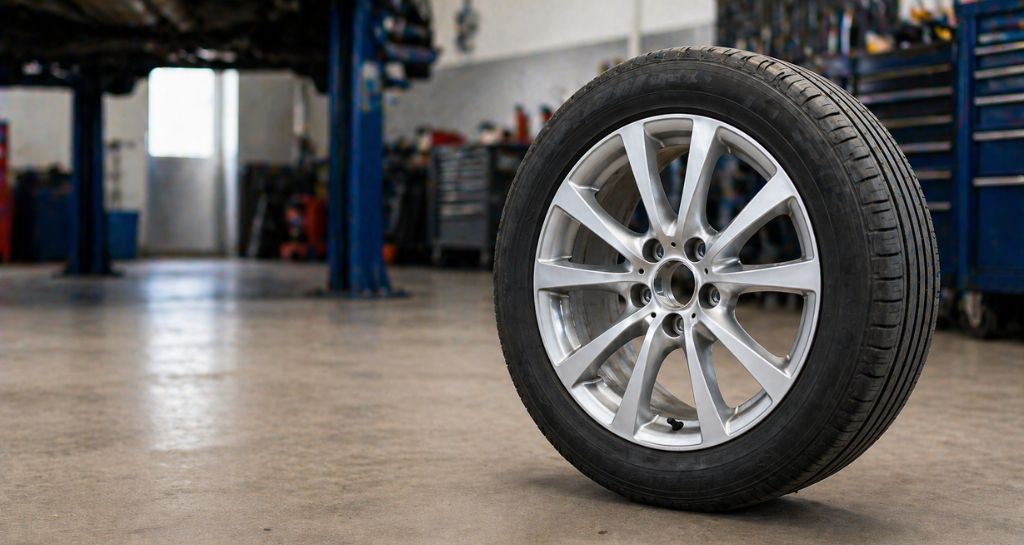
Although they’re often grouped together, rim and tire inspection are quite different.
Rim inspection focuses on:
- Metal integrity
- Structural strength
- Dimensional accuracy
Tire inspection focuses on:
- Rubber consistency
- Tread patterns
- Internal structure
How Do automated wheel inspection systems work?
If you’re wondering how all of this comes together, the process is actually quite straightforward:
- Cameras or sensors capture images of the wheel
- AI algorithms analyze the data
- Defects are identified and classified
- Results are sent to production systems in real time
And all of this happens in seconds.
Inline vs Offline Inspection
There are two main approaches:
Inline inspection
- Happens during production
- Real-time feedback
- Highly efficient
Offline inspection
- Happens after production
- Slower and often manual
- More reactive
Most manufacturers are moving toward inline systems because they allow immediate correction, not just detection.
Benefits of automated wheel inspection
The impact of automation is easy to measure.
Operational improvements
- Fewer defects reaching final assembly
- Faster production cycles
- More stable processes
Cost benefits
- Less rework and scrap
- Better use of materials
- Reduced downtime
Quality gains
- Consistent inspection results
- Full traceability
- Better compliance with OEM standards
In short, automated wheel inspection systems help manufacturers do more with less, without compromising quality.
Standards and compliance in wheel inspection
Automotive manufacturing is one of the most regulated industries in the world. Wheel inspection is no exception.
Manufacturers must comply with:
- International quality standards (such as ISO)
- OEM-specific requirements
- Safety and durability testing protocols
Traceability is also critical. Every wheel must be trackable throughout the production process. If a defect is found later, manufacturers need to know exactly where it came from.
The future of wheel inspection in smart manufacturing
Looking ahead, wheel inspection is becoming smarter, faster, and more integrated.
Some of the most important trends include:
- Advanced 3D inspection systems
- AI-driven predictive quality control
- Integration with digital twins
- Fully automated inspection lines
In a fully connected Industry 4.0 environment, inspection systems won’t just detect defects, they’ll help prevent them altogether.
How EINES supports advanced wheel inspection solutions
As inspection requirements become more demanding, manufacturers need technologies that can keep up.
This is where EINES comes in.
EINES develops advanced vision systems and automated inspection solutions tailored for automotive environments. Their technology is designed to deliver high precision, even at high production speeds.
What EINES brings to the table
- Automated rim inspection and surface analysis
- Advanced Machine Vision systems
- AI-based defect detection and classification
- Seamless integration with production lines
- Real-time monitoring and traceability
The goal is simple: help manufacturers detect defects earlier, reduce rework, and improve overall efficiency.
If you’re looking to take your wheel inspection process to the next level:
Contact EINES and explore how intelligent inspection solutions can support your production strategy.
FAQs About Wheel Inspection
What is wheel inspection in automotive manufacturing?
It’s the process of analyzing rims and tires to detect defects, verify dimensions, and ensure compliance with safety and quality standards.
What defects can be detected in wheel inspection?
Cracks, porosity, deformation, coating issues, and incorrect markings are among the most common.
How do automated wheel inspection systems work?
They combine cameras, sensors, and AI to capture and analyze data in real time, allowing immediate detection and response.