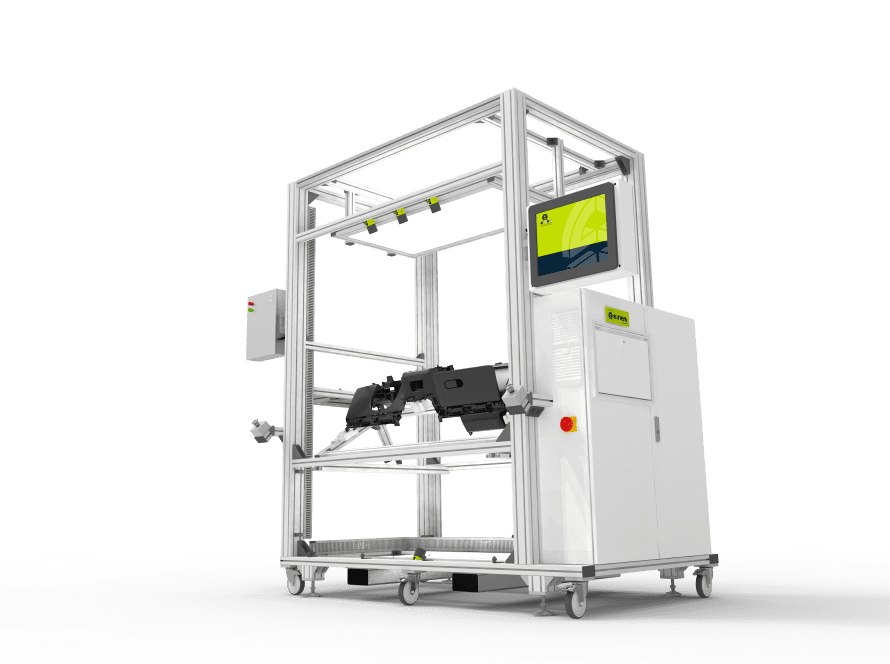
Automotive camera systems are essential technologies in modern automotive manufacturing. They enable manufacturers to inspect vehicle assemblies in real time, improve metrology accuracy, and maintain consistent quality across high-volume production lines.
In applications such as Gap & Flush inspection, high-resolution machine vision cameras help detect dimensional deviations, assembly inconsistencies, and surface anomalies without slowing production.
Today, OEMs and Tier-1 suppliers increasingly rely on stereo vision, inline inspection tunnels, and automated reporting systems to improve traceability, reduce rework, and optimize production quality.
This article explores how advanced metrology, automated reporting, and smart vision in automotive processes are transforming quality assurance on the factory line.
The Role of High-Resolution Machine Vision in Automotive Manufacturing
Modern vehicles rely heavily on exterior fit-and-finish quality. Even small deviations in gap and flush can lead to:
- Water leaks
- Wind noise
- Increased closing efforts
- Reduced aerodynamic performance
- Poor perceived quality
With these factors directly influencing customer satisfaction and warranty costs, OEMs increasingly rely on quality cameras and high-res inspection systems to standardize the production process.
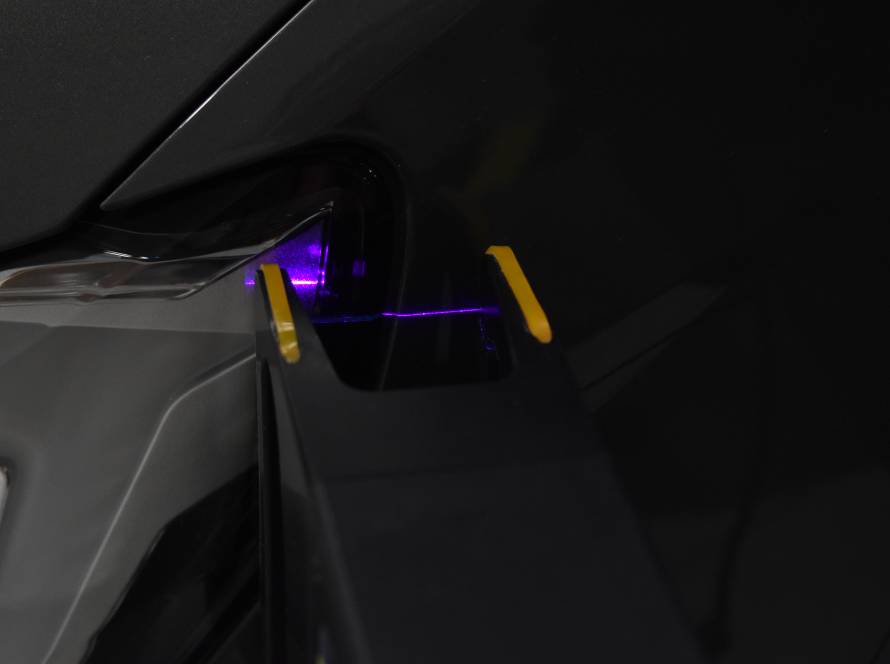
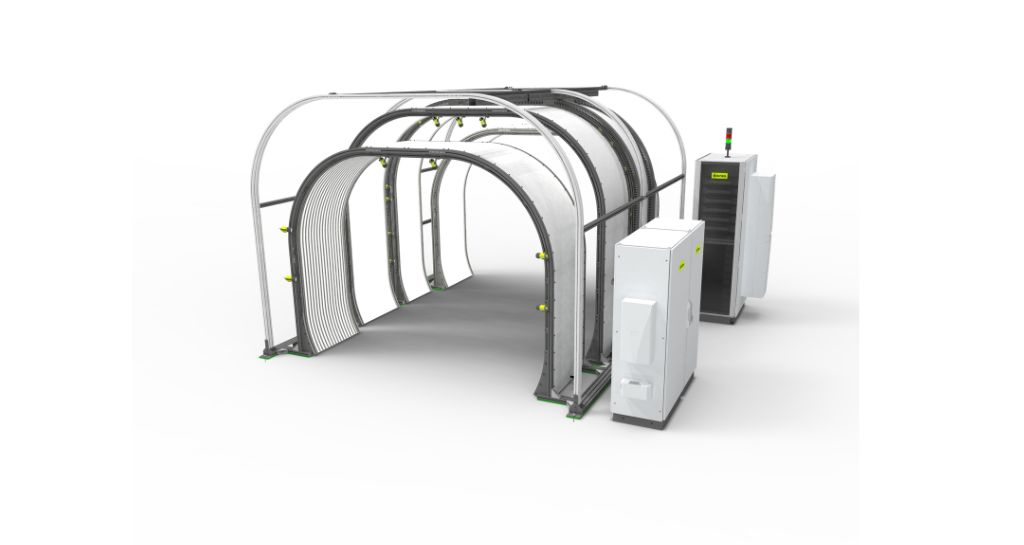
The EINES tunnel uses stereo-vision — combining a synchronized pair of cameras and encoder-based triggering , to acquire 3D surface information while the vehicle moves through the tunnel. This provides:
- Accurate and repeatable metrology independent of operator variability
- Complete exterior coverage of all critical vehicle interfaces
- Real-time inline inspection integrated into the production cycle
The result is a robust data set enabling deep-quality reporting, trend monitoring, and fast detection of process instabilities.
Why Reporting Matters: Turning Machine Vision Data into Action
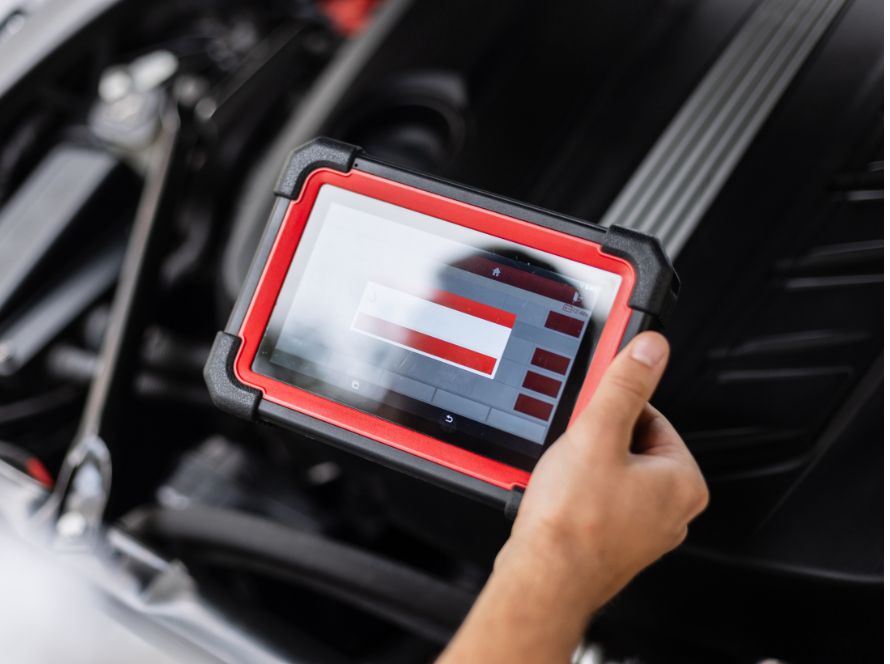
Collecting measurement data is only the first step. The real value of automotive camera systems and smart vision technology lies in transforming millions of data points into actionable insights. That is why the EINES system includes four reporting formats, each designed to answer specific questions from production, quality, and engineering teams.
1. DPU / DPMO Report – Understanding the Sources of Variation
This report breaks the vehicle into four major zones (Hood, LHS, RHS, and Liftgate) and identifies the Top 5 sections contributing to out-of-tolerance conditions in each one.
It highlights:
- DPU (Defects Per Unit)
- DPMO (Defects Per Million Opportunities)
- FTT (First Time Through)
- Comparisons between production shifts
- The percentage of vehicles produced with no deviations
This is one of the most appreciated reports among OEMs because it quickly reveals where the assembly process is most sensitive and which areas require engineering attention.
2. Date-Range report: Trend analysis for continuous improvement
With configurable filters (model, colour, specs, OK-only, NOK-only, etc.), this report visualizes measurement trends across a selected date range. Each graph represents a section, and each point corresponds to the measurement on a specific vehicle.
This allows engineers to easily detect:
- Process drift
- Variability between batches
- Effects of tooling changes or supplier modifications
- Behaviour before and after corrective actions
It is a cornerstone tool for process-control teams working with SPC and continuous-improvement methodologies.
3. Single-Vehicle report. A full metrology profile
By entering a vehicle’s serial number, users can access a complete measurement map of all Gap & Flush sections. Results are colour-coded:
- Green = OK
- Orange = Warning
- Red = NOK
This report is ideal for:
- Vehicle audits
- Investigations of specific quality incidents
- Verification after rework
- Validation of prototype or pre-series units
It provides full transparency and traceability for every unit measured.
4. Top 20 Report – Prioritizing the Most Critical Sections
This ranking-based report highlights the Top 20 sections according to the selected criterion:
- Most OK
- Most NOK
- Most Warnings
- Most Outliers
- Most Non-Measured (NM)
A stacked bar chart displays the distribution of OK, Warning, and NOK results for each section, making it easy to identify the most problematic areas. This is especially useful during quality meetings or when preparing improvement roadmaps.
Bringing together automotive metrology and smart reporting
The combination of automotive camera systems, machine vision, and high-resolution metrology creates a powerful ecosystem for controlling and improving vehicle assembly. However, real progress comes from transforming these measurements into clear, structured reporting that production teams can use daily.
At EINES, our approach allows manufacturers to:
- Detect deviations earlier
- Improve product consistency
- Reduce rework and warranty risk
- Make faster, data-driven decisions
- Enhance customer-perceived quality
This is the future of smart vision in automotive, where advanced cameras and precise metrology feed intelligent reporting tools that continuously optimise the production process.
Improve inline inspection with automotive camera systems
At EINES Vision Systems, we develop advanced automotive camera systems for inline quality inspection, Gap & Flush metrology, and smart reporting in modern automotive production lines. Our machine vision solutions help OEMs and Tier-1 suppliers improve assembly quality, reduce rework, and optimize manufacturing performance through high-resolution inspection and real-time data analysis.
Contact us to discover how our systems can enhance your production line with reliable, high-resolution gap & flush analysis and world-class reporting capabilities.
Key questions about automotive camera system
What are automotive camera systems?
Automotive camera systems are machine vision technologies used in automotive manufacturing to inspect, measure, and validate vehicle components during production. These systems combine high-resolution cameras, controlled lighting, sensors, and software algorithms to ensure consistent quality, improve traceability, and support automated inspection processes across modern production lines.
How are cameras used in automotive manufacturing?
Cameras are widely used in automotive manufacturing for applications such as Gap & Flush inspection, surface defect detection, paint inspection, assembly verification, robot guidance, and dimensional metrology. By capturing high-resolution images in real time, camera systems help manufacturers detect deviations early and maintain consistent production quality without slowing down the line.
What is Gap & Flush inspection?
Gap & Flush inspection is the process of measuring the spacing and alignment between exterior vehicle panels such as doors, hoods, liftgates, and fenders. Maintaining precise gap and flush tolerances is critical for vehicle aesthetics, aerodynamic performance, water tightness, and perceived quality. Modern automotive manufacturers increasingly use automated camera systems to perform these measurements inline and with high accuracy.
What are inline inspection systems?
Inline inspection systems are automated quality-control solutions integrated directly into the production line. These systems inspect vehicles or components in real time while production continues moving, eliminating the need for manual off-line inspections. Inline inspection improves production efficiency, reduces rework, and enables 100% inspection coverage.
Why is automotive metrology important?
Automotive metrology is essential for ensuring dimensional accuracy, assembly consistency, and compliance with OEM quality standards. Precise measurements help manufacturers detect deviations early, reduce variability, improve fit-and-finish quality, and avoid costly downstream defects or warranty claims.
How do automotive camera systems improve quality control?
Automotive camera systems improve quality control by detecting assembly deviations, dimensional inconsistencies, and surface defects automatically during production. Combined with AI, metrology, and smart reporting tools, these systems help manufacturers reduce rework, improve process stability, and maintain consistent vehicle quality across high-volume production environments.