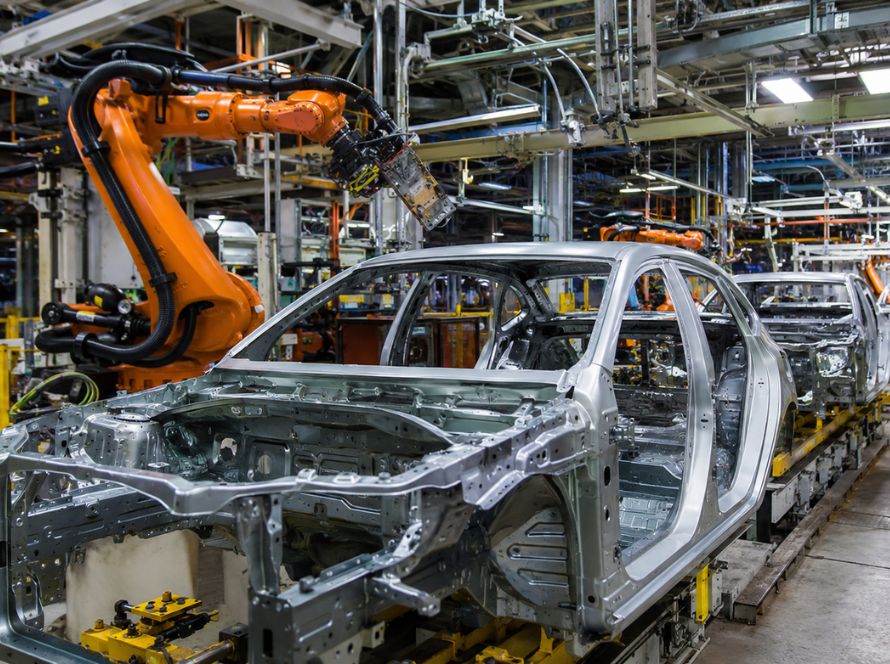
In automotive and industrial manufacturing plants, the concept of error proofing (or Poka-Yoke) is a familiar standard. For decades, quality engineers in OEM facilities and Tier 1 suppliers have relied on physical tools. They use photoelectric sensors, mechanical guides, smart torque tools, and barcode scanners to prevent defective parts from moving down the line.
However, today’s manufacturing landscape faces high product variability and mixed-model assembly lines. Plants also experience relentless pressure on TAKT time. Consequently, traditional error proofing techniques are reaching their physical limits.
The conversation is no longer just about stopping an operator from making a mistake. Today, Quality Directors are asking a better question: “How do we predict and eliminate the conditions that cause the error before it even happens?”
This article explores the evolution of error proofing into a smart, predictive system. It also explains how advanced manufacturing plants combine Artificial Intelligence (AI) and Computer Vision to achieve true zero-defect operations.
The Limits of Traditional Error Proofing in OEM & Tier 1 Environments
Conventional error proofing is inherently design-reactive. Engineers typically retrofit a mechanical stop or proximity sensor after identifying a potential failure mode in an FMEA (Failure Mode and Effects Analysis). While highly effective for simple tasks, this passive approach presents three major hurdles in modern production:
- Rigidity against high product mix: A single line often handles multiple component variants. Deploying mechanical poka-yokes for every variation exponentially increases tooling complexity and setup times.
- Procedural blind spots: Work-instruction screens still depend on human visual verification. This process remains highly vulnerable to operator fatigue during long shifts.
- System maintenance overhead: Misaligned or dirty sensors frequently trigger false rejects. Frustrated operators may then bypass the error proofing mechanism entirely, defeating its core purpose.
The Shift: Computer Vision & AI-Powered Error Proofing
Integrating deep learning and computer vision completely transforms error proofing. It shifts the system from a simple binary check into a dynamic, contextual evaluation of the assembly process.
| Feature | Traditional Error Proofing | AI Smart Error Proofing |
| Inspection Scope | Checks 1 single parameter | Evaluates multiple features simultaneously |
| Data Output | Binary (PASS/FAIL) | Detects trends, process drift, and context |
Here are three ways AI is upgrading the detection process:
1. Multivariable Real-Time Inspection
Instead of mounting five separate sensors to check gasket placement, connector orientation, and bolt presence, a single AI vision system takes over. It evaluates dozens of control points simultaneously within milliseconds. Furthermore, it automatically adjusts its inspection parameters based on the incoming VIN or part serial number.

2. Error Proofing Complex Manual Processes
At manual assembly stations, visual error proofing tracks human motion and tool paths. If an operator reaches for a part out of order or misses a step in the digital instructions, the system reacts immediately. It freezes the tool and provides instant feedback, stopping the mistake before the component is even touched.
3. Prescriptive Control over Simple Detection
Advanced AI feeds error proofing data directly into MES and Statistical Process Control (SPC) engines to identify subtle drift. For example, if press forces begin to fluctuate near the edge of tolerance, the system proactively alerts maintenance before a non-conforming part is ever produced.

Feature Matrix: Traditional vs. Smart Error Proofing
| Feature | Traditional Error Proofing | Smart Error Proofing (AI + Vision) |
| Approach | Static mechanical / electrical | Dynamic, software-driven algorithms |
| Variability | Requires physical tooling adjustments | Instant software switching via recipe |
| Data Output | Binary signal (OK / NOK) | Full traceability with images and metrics |
| Integration | Station-level hardware | Connected to MES, SCADA, and Edge Devices |
| Prevention Level | Stops the defective part | Adjusts process parameters prior to defect |
Implementing Smart Error Proofing Without Line Disruption
For Quality and Operations leaders, upgrading error proofing capabilities does not require ripping out existing automation. You can implement these systems smoothly by following these steps:
- Focus on High-RPN Stations: Start with stations exhibiting high bypass rates, frequent reworks, or elevated Risk Priority Numbers (RPN) in your FMEA.
- Deploy Edge Computing: Run computer vision models locally on edge devices. This maintains sub-100ms response times without overloading your factory networks.
- Ensure Complete Traceability: Link every error proofing image and measurement to the part’s serial number. This strategy dramatically streamlines customer audits and warranty defenses.
Frequently Asked Questions (FAQs)
What is the difference between Poka-Yoke and Error Proofing?
While often used interchangeably, Poka-Yoke refers specifically to the Japanese technique or device designed to avoid inadvertent human mistakes. Error proofing is a broader manufacturing term. It encompasses the overall methodology, process design, and advanced technologies (like AI) aimed at making it impossible to pass a defective part.
Can AI-based Error Proofing be used in High-Mix, Low-Volume production lines?
Yes, this is where it delivers the highest return on investment. Traditional methods require costly physical fixtures for each variant. In contrast, AI vision systems adapt instantly via software when a barcode identifies the incoming part.
Does AI Error Proofing replace smart tools like DC electric torque wrenches?
No, it complements them. Connected torque tools handle mechanical fastening. Meanwhile, visual error proofing validates contextual variables the tool cannot detect, such as cross-threading angles, missing washers, or surface damage.
How does Smart Error Proofing impact OEM quality audits?
It significantly improves audit scores under standards like IATF 16949 and VDA 6.3. Storing digital visual evidence for every error proofing check proves to auditors that your plant operates under proactive, foolproof process control.